01 / Overview
Off-Grid Data Centers,Built for Real-WorldDeployment.
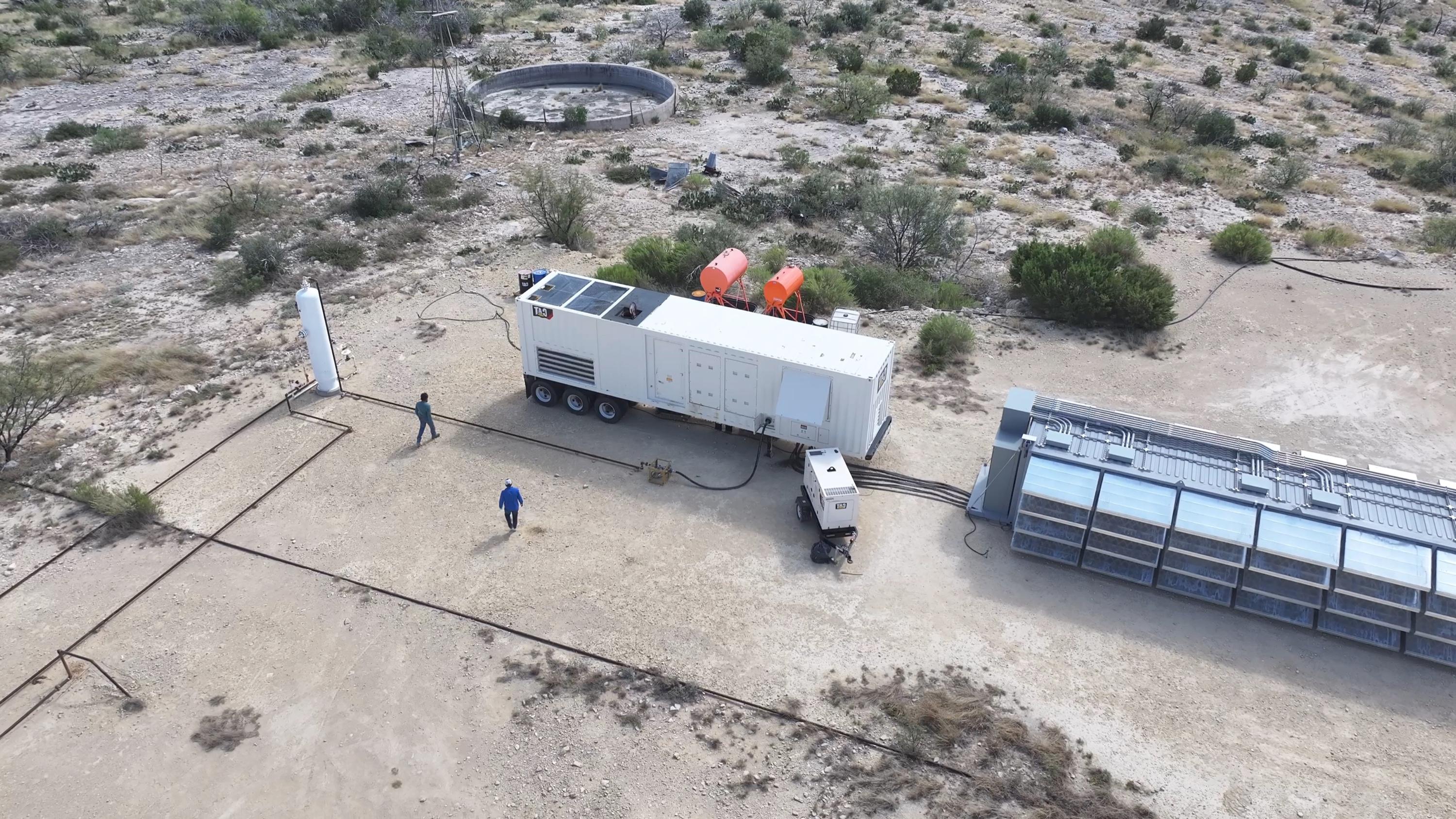
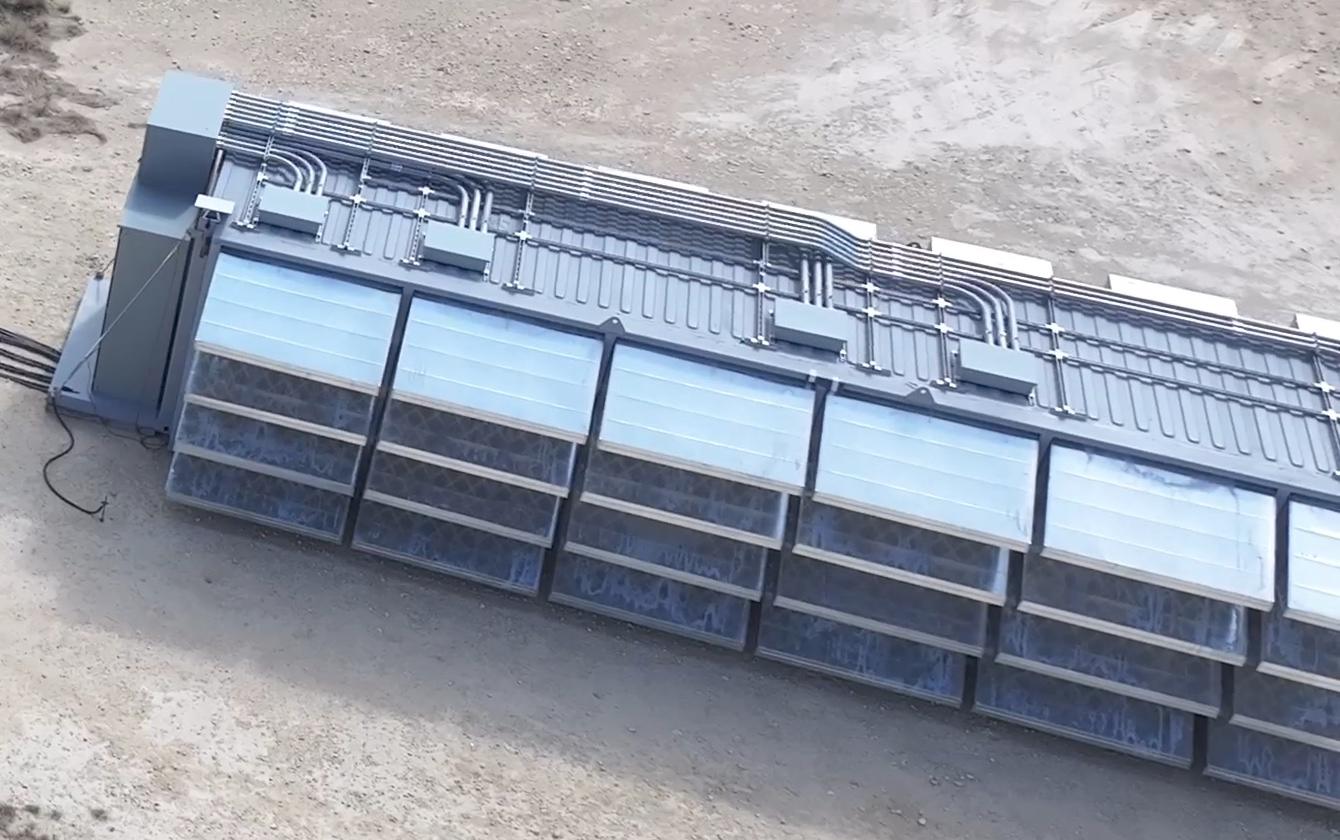
Ninja Supplies provides modular data center infrastructure for energy-intensive computing operations. From equipment sourcing and system configuration to logistics and deployment support, we help operators move faster with infrastructure built for demanding environments.
- FocusUnited States and the Americas
- SystemsPower · Cooling · Enclosure · Logistics
- EngagementConfiguration through deployment
02 / Position
Conventional development starts with a building and looks for power.This work starts with the power and builds to it.
Energy is frequently available where conventional data center development is impractical (too remote, too slow to permit, too far from a grid connection, or mismatched to the load it would have to carry). That gap is where Ninja Supplies works: taking a site’s actual conditions and available power, and resolving them into infrastructure that can be procured, delivered, installed, and operated.
This is not procurement. Specifying a transformer is straightforward. Making the transformer, the cooling method, the enclosure, the transport route, and the commissioning sequence agree with one another, under the conditions of a specific site, is the work.
03 / Integrated Systems
Five systems.One specification.
Power, cooling, enclosure, and logistics are not separate purchases. Each one sets the limits of the others, and a decision taken in isolation is usually reversed on site. We specify them together.
Select a system to see what it covers. The codes show direct dependencies. Hover or focus a row to see which systems it constrains.
- MDCModular
- PWRPower
- CLGCooling
- LOGLogistics
- INTIntegration
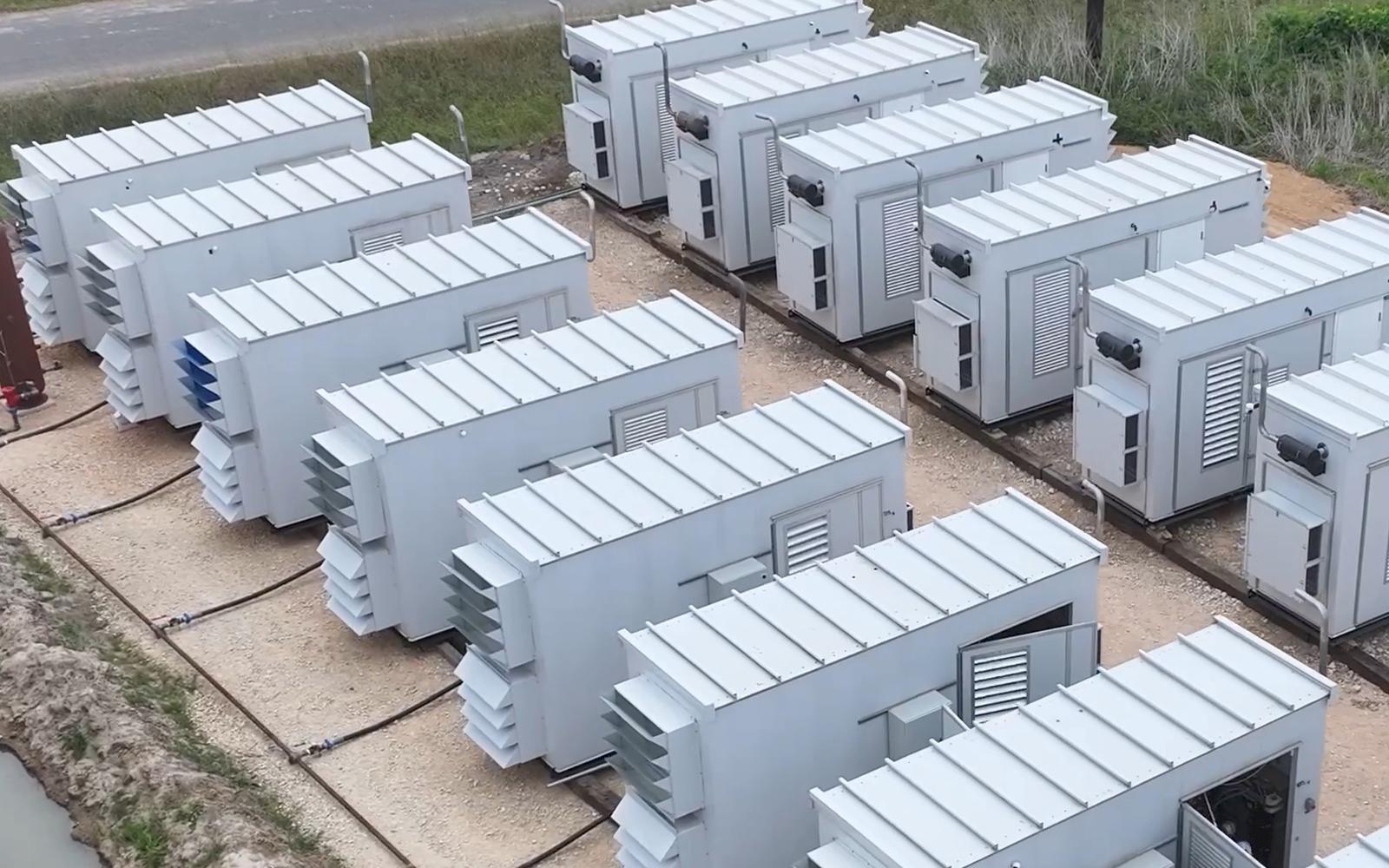
Modular units set out in rows on a prepared pad Covers
- Containerized computing systems
- Modular enclosure configurations
- Structural and mounting provisions
- Multi-unit and staged expansion
Why it constrains the others
Enclosure geometry follows from the cooling method and the power density it has to carry. It is a consequence of the system, not the starting point.
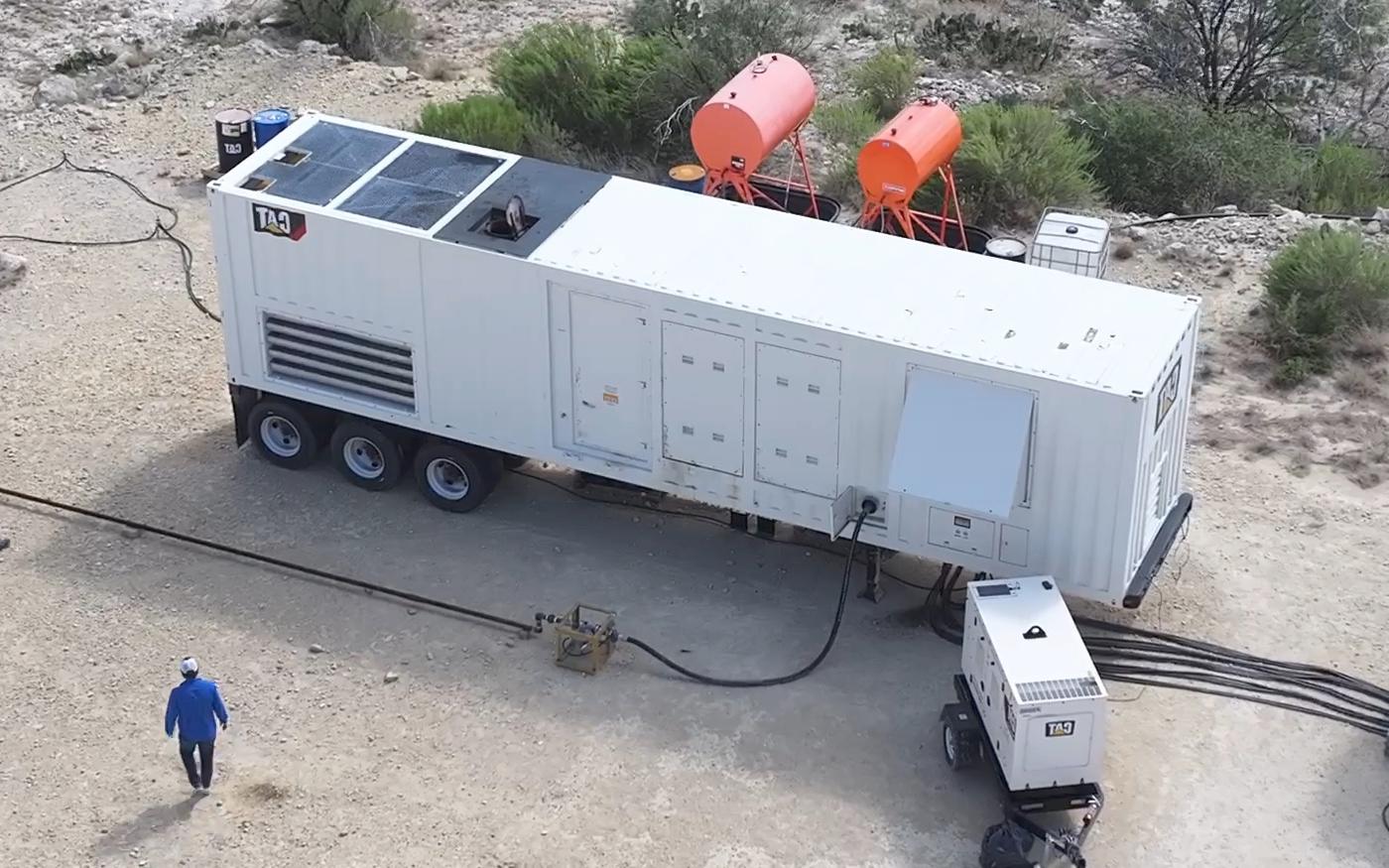
Generation and distribution at the pad Covers
- Electrical distribution
- Transformers
- Switchgear
- Protection systems
- Cabling and terminations
- Power integration
Why it constrains the others
The characteristics of the source and the distance to the pad determine the distribution design, and with it, what the enclosure and the cooling can support.
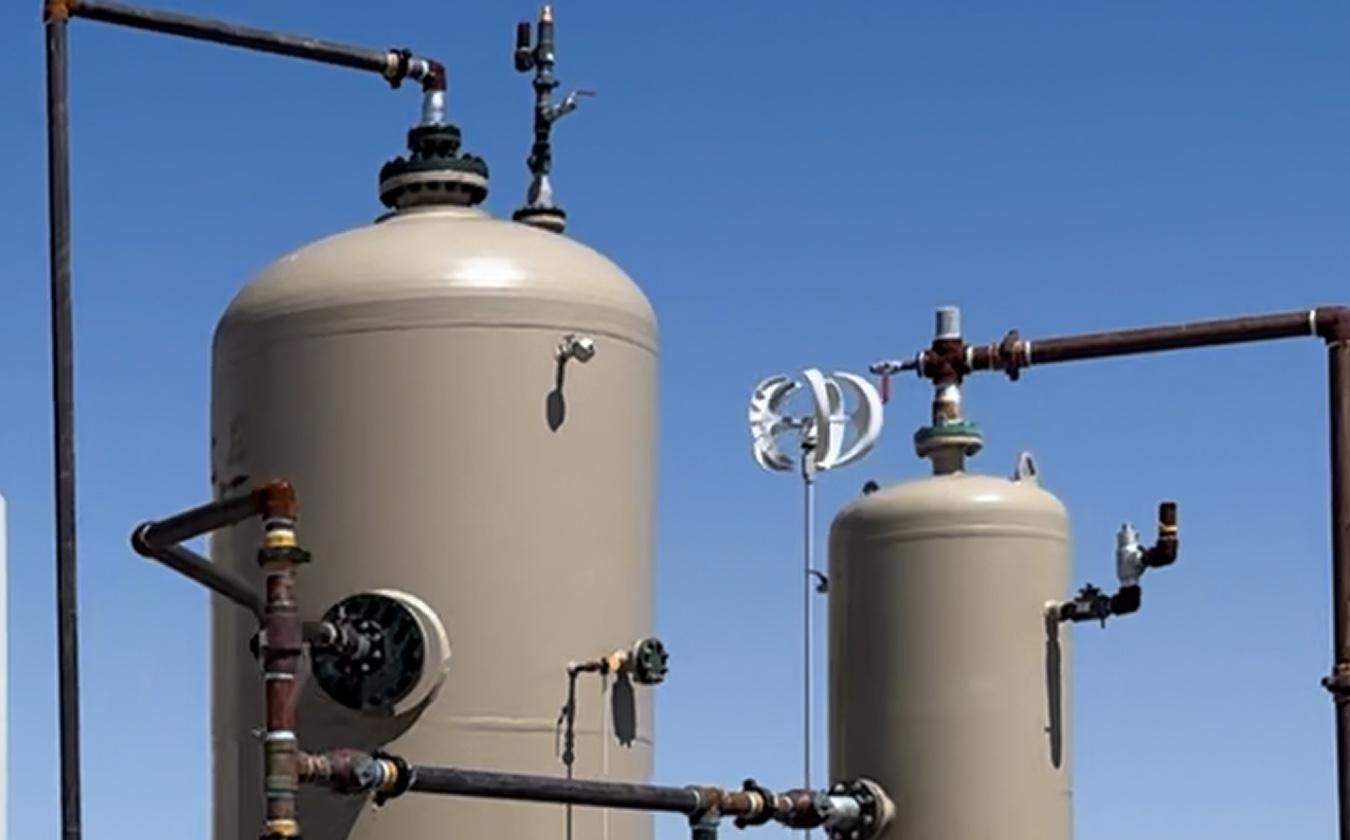
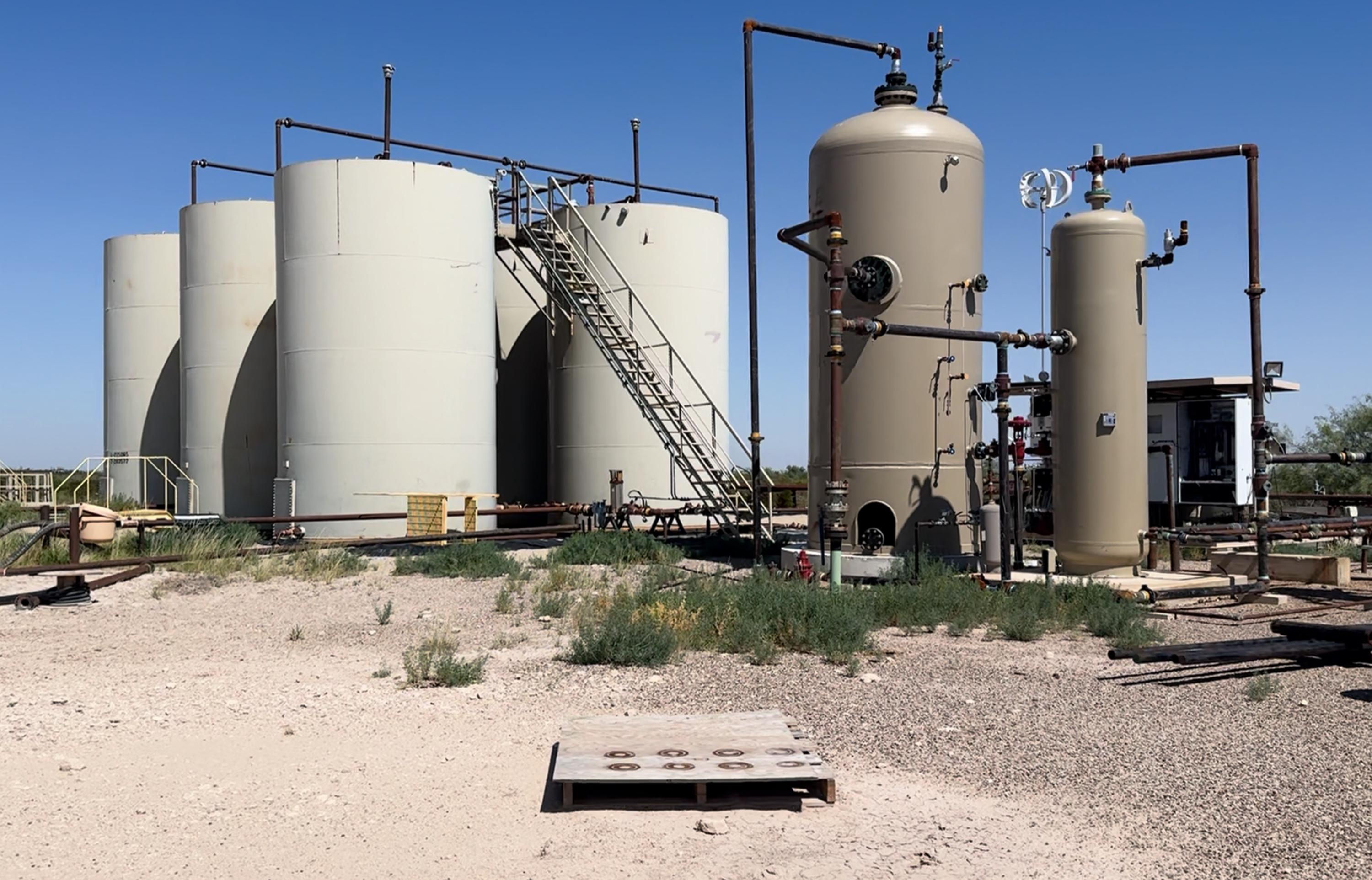
Immersion-cooled tanks and distribution pipework Covers
- Air-cooled configurations
- Liquid-cooled configurations
- Density-matched selection
- Climate and ambient conditions
Why it constrains the others
Cooling method is set by density and climate, and in turn sets enclosure dimensions, weight, and the electrical load the site has to carry.
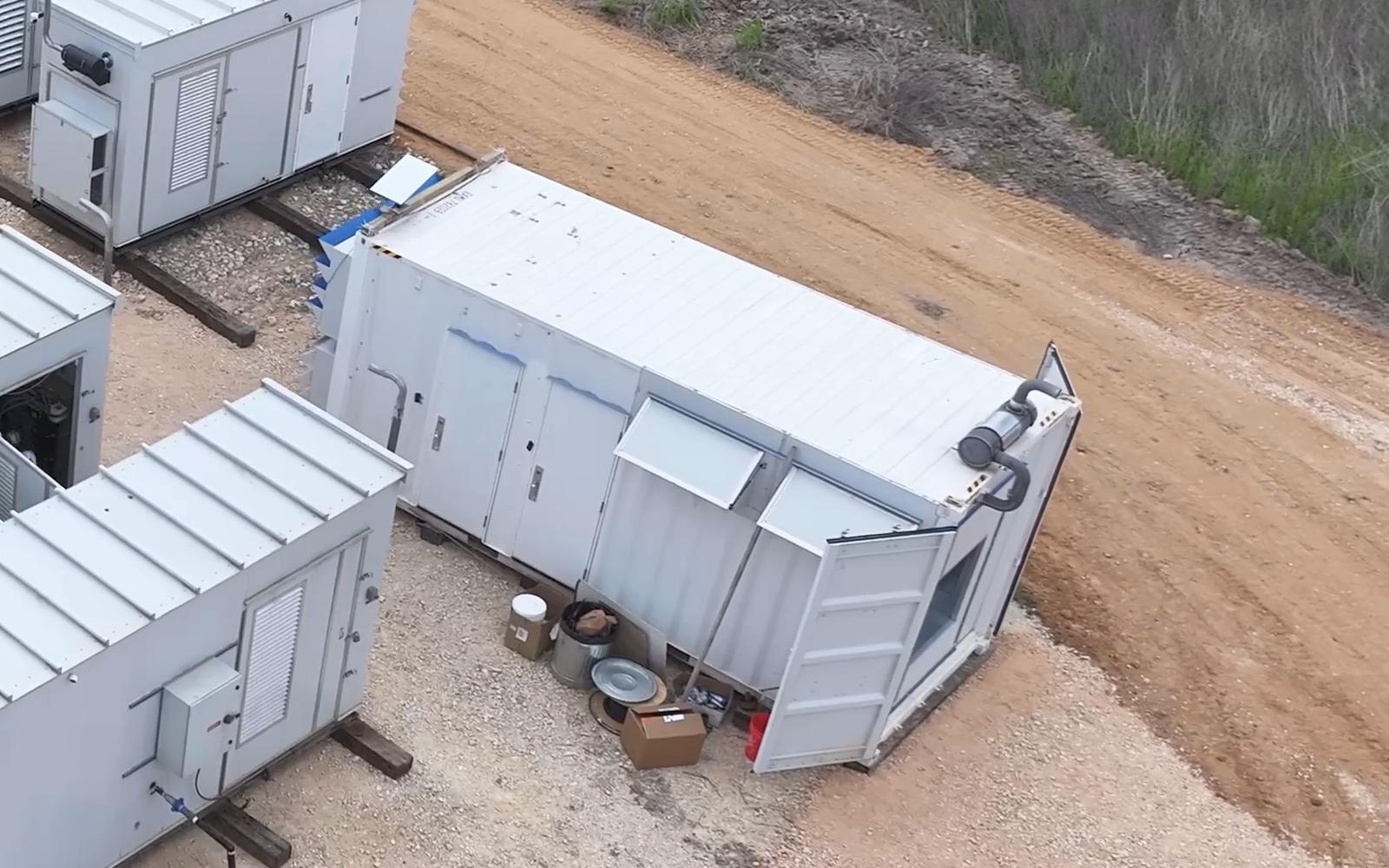
Access, laydown, and set-out on a working site Covers
- Equipment sourcing
- Transportation planning
- Site coordination
- Deployment sequencing
- Installation support
- Commissioning assistance
Why it constrains the others
Transport routes and lift constraints limit module dimensions and weight before a single unit has been specified.
Power, cooling, and compute resolved onto one pad Covers
- Requirement definition
- System configuration
- Supplier coordination
- Interface resolution
- Deployment planning
Why it constrains the others
Every constraint above competes with the others. Integration is the decision-making that makes them agree.
04 / Deployment Method
How a deploymentactually proceeds.
Five stages, each with something concrete at the end of it. The sequence matters: work done out of order tends to be work done twice.
Stage 01.Requirements and Site Conditions
What the site actually provides: available power and its characteristics, ambient conditions, access, ground, and the operating requirement the infrastructure has to meet.
OutputDefined constraints and load profileStage 02.System Configuration
Cooling method, enclosure format, electrical topology, and expansion path resolved against one another into a single coherent configuration.
OutputConfigured system definitionStage 03.Sourcing and Integration
Equipment specified and sourced, interfaces between suppliers resolved, and the package assembled as one scope rather than a set of separate orders.
OutputProcured scope with resolved interfacesStage 04.Logistics and Deployment
Transport planning, delivery sequencing, site coordination, and installation in the order the site is able to accept it.
OutputEquipment installed on siteStage 05.Commissioning and Support
Systems energized, verified against the original requirement, and handed over with continuing operational support.
OutputOperating capacity and ongoing support
05 / Operating Environments
The conditionsthis work is built for.
Not every deployment is difficult in the same way. These are the situations the approach is designed around.
- 01
Stranded or underutilized generation
Power available at the wellhead, the plant, or behind the meter, with no economic path to market.
- 02
Remote and off-grid sites
Locations with no grid connection, limited road access, or long and expensive supply lines.
- 03
Load co-located with generation
Computing sited at the source to avoid transmission constraints and interconnection queues.
- 04
Staged capacity expansion
Deployments that need to start small and grow in modules rather than in buildings.
- 05
Demanding climates
Ambient extremes, dust, and humidity that determine which cooling method is viable at all.
- 06
Compressed timelines
Requirements where a conventional construction schedule does not fit the opportunity.
06 / In the Field
Infrastructure is judgedon site, not on paper.
Equipment has to arrive, fit, connect, reject heat, and keep running in the conditions that are actually there.
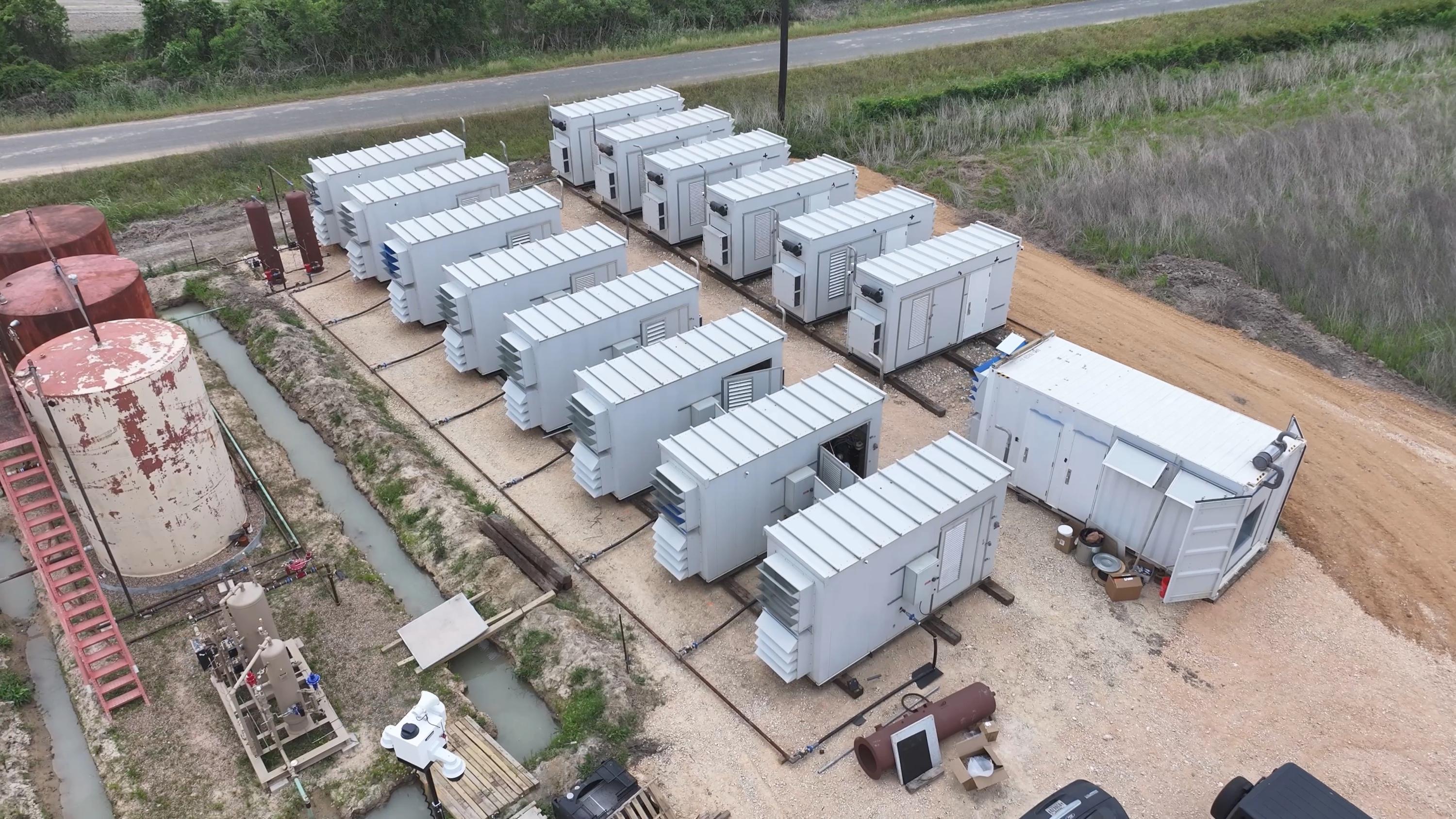
Immersion cooling Modular set-out Source-side equipment
07 / Why Ninja Supplies
Why operators work with us.
Direct operating experience
The company is built by people who have developed and run energy-intensive computing infrastructure, not by people who have only specified it.
One party across the whole system
Power, cooling, enclosure, and logistics resolved together, so the interfaces between them are somebody’s responsibility rather than nobody’s.
Built to deployment constraints
Transport limits, lift capacity, site access, and climate are treated as inputs to the design, not problems discovered during installation.
Modular and stageable
Configurations that can start at one module and grow, so capacity follows demand and available power instead of preceding both.
Comfortable in difficult locations
Remote sites, limited access, and demanding climates are the normal operating case rather than the exception.
Present through commissioning
Involvement continues past delivery, through installation, energization, and verification against the original requirement.
08 / Leadership
Founders

Ariel Martin Perelman
Co-Founder
Energy infrastructure entrepreneur with direct experience developing and scaling off-grid computing operations.

Bernardo Cabral Nonna
Co-Founder
Entrepreneur and executive focused on infrastructure development, strategic partnerships, and project execution.
09 / Contact
Planning a deployment?
Tell us the site, available power, capacity requirement and target timeline.
Useful to include
- Site location and access
- Energy source, and how much is available
- Capacity you are targeting
- Timing and any fixed dates
Nothing formal required. A short description of the site is enough to start.